Nic Amini Sam, M.Eng. presents
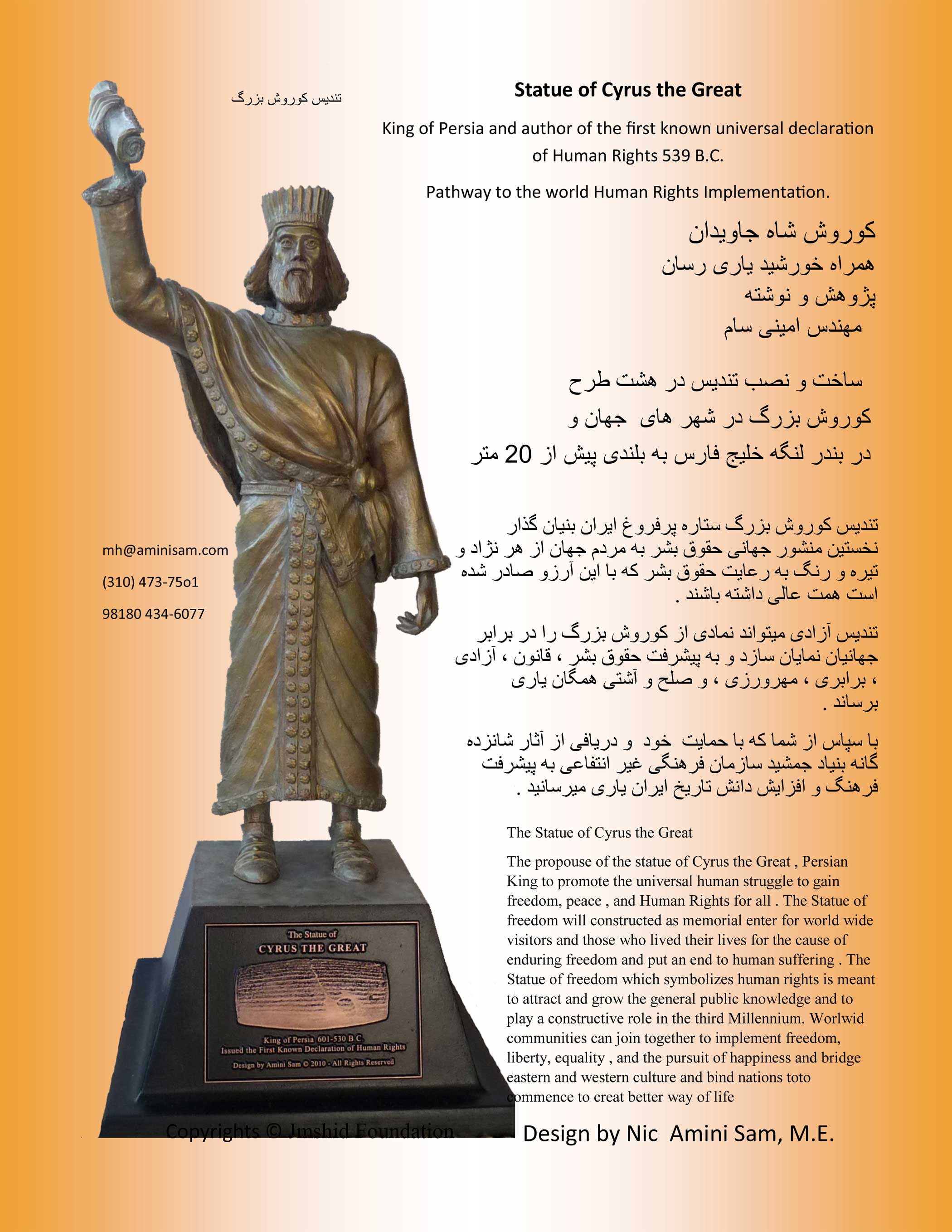
Statue of Cyrus the Great
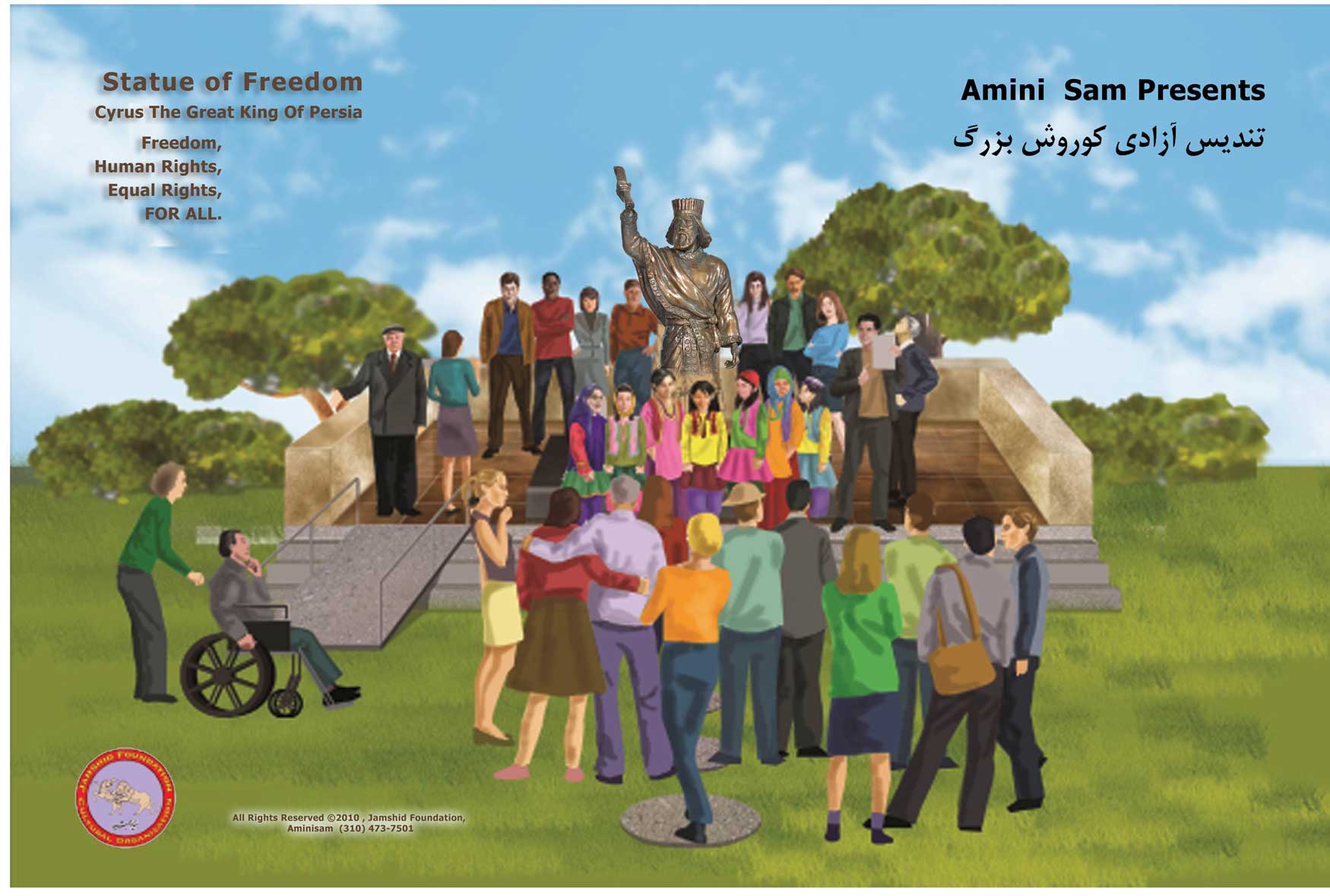
King of Persia — a symbol of freedom, human rights, and equal rights for all.
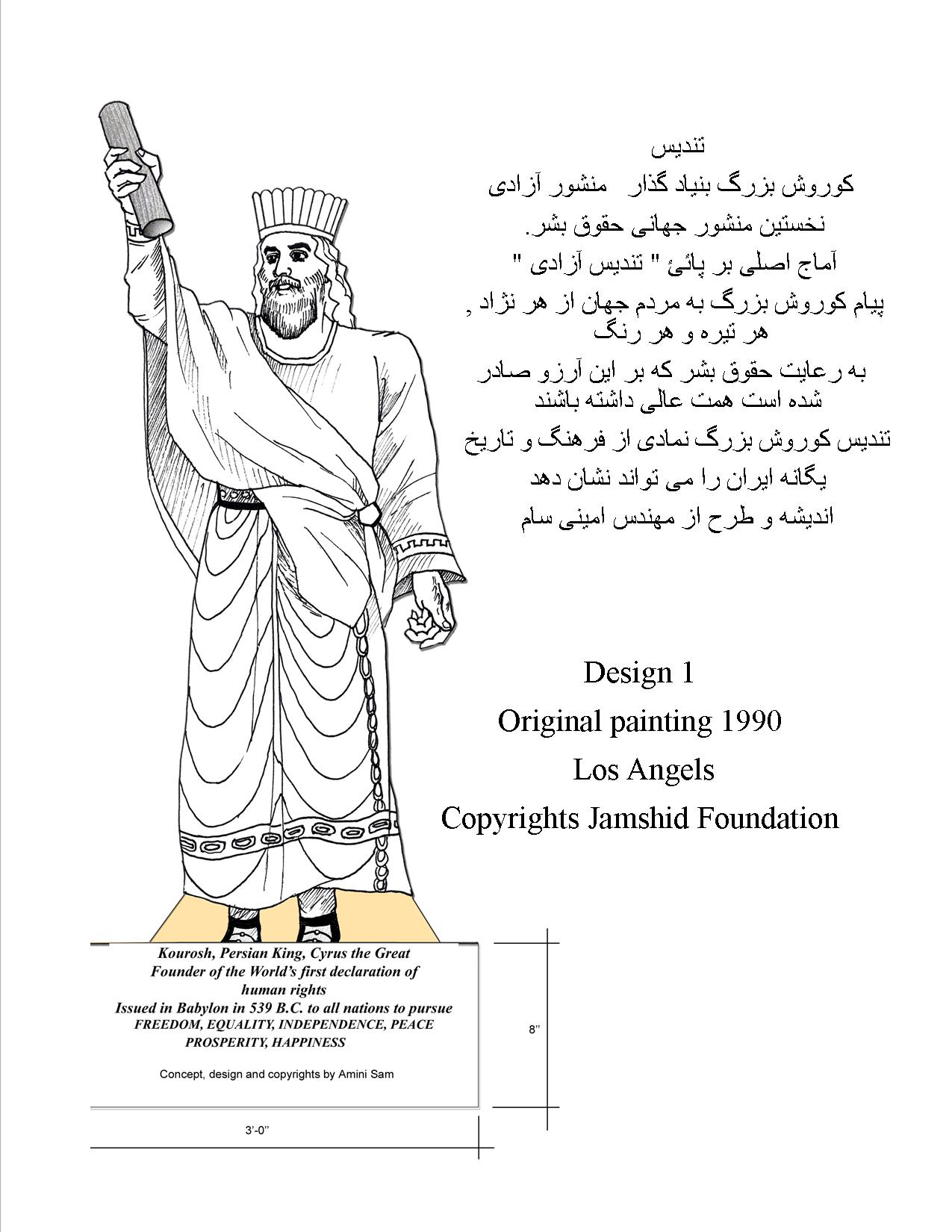 Design 1
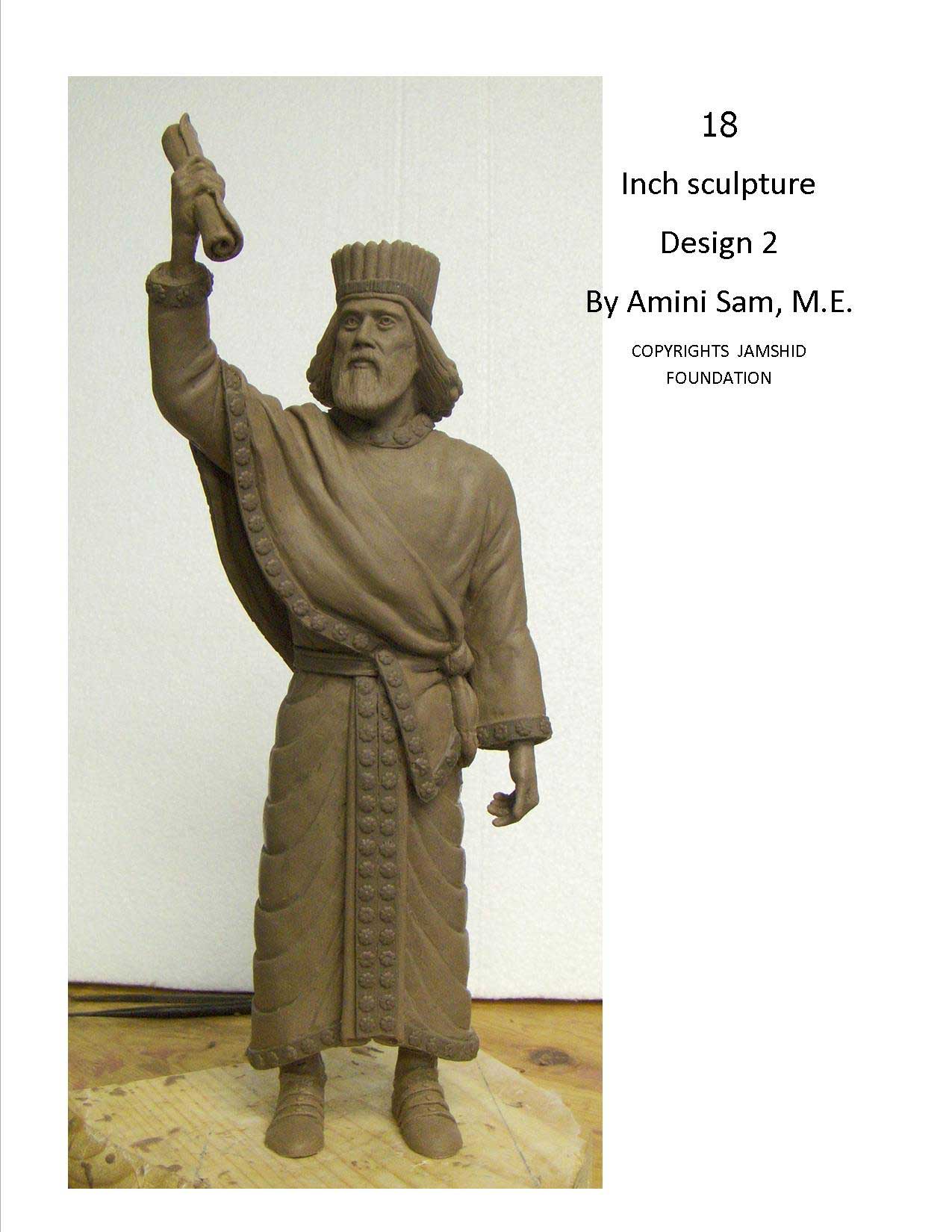 Design 2
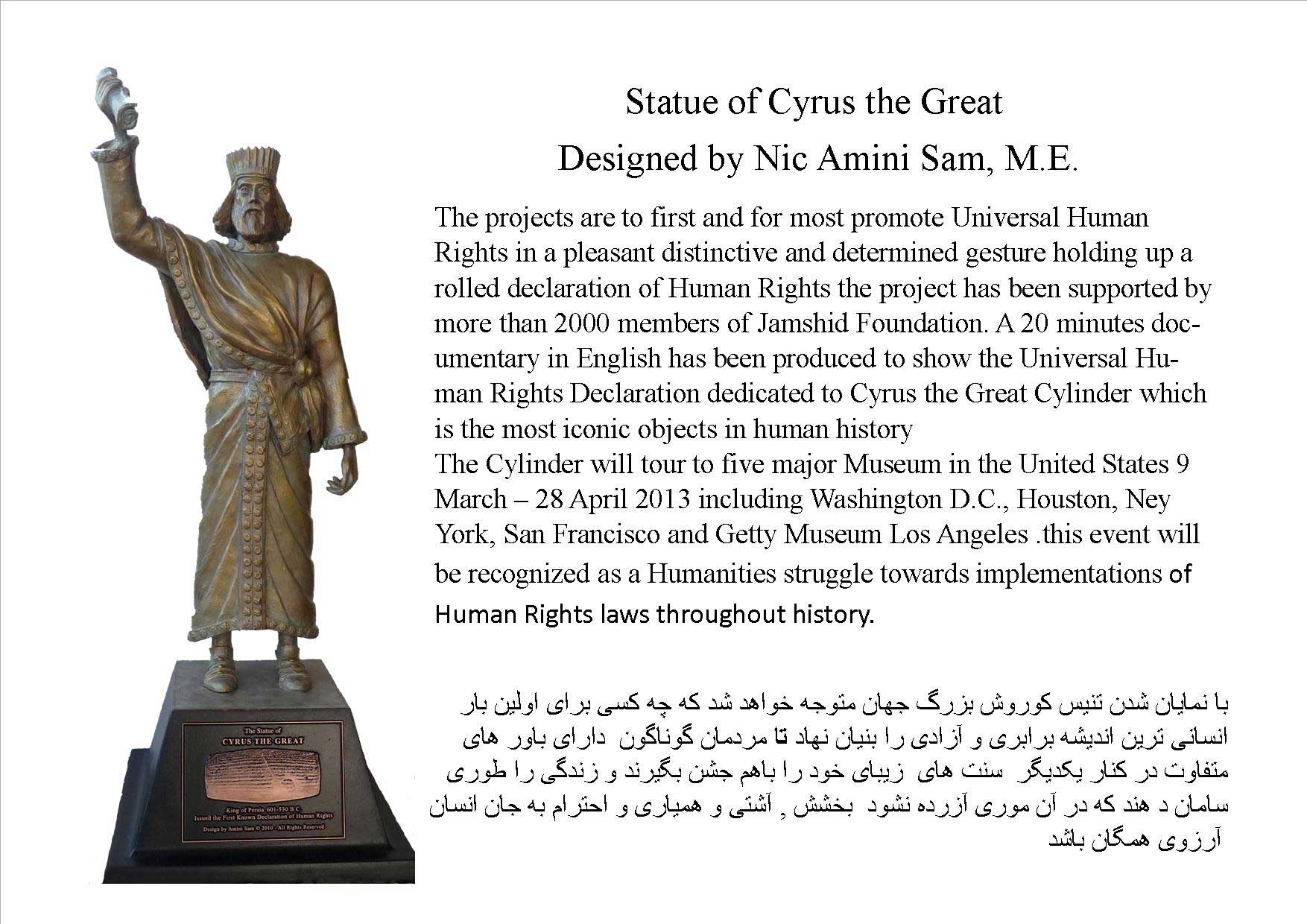 Design 3
 Design 3
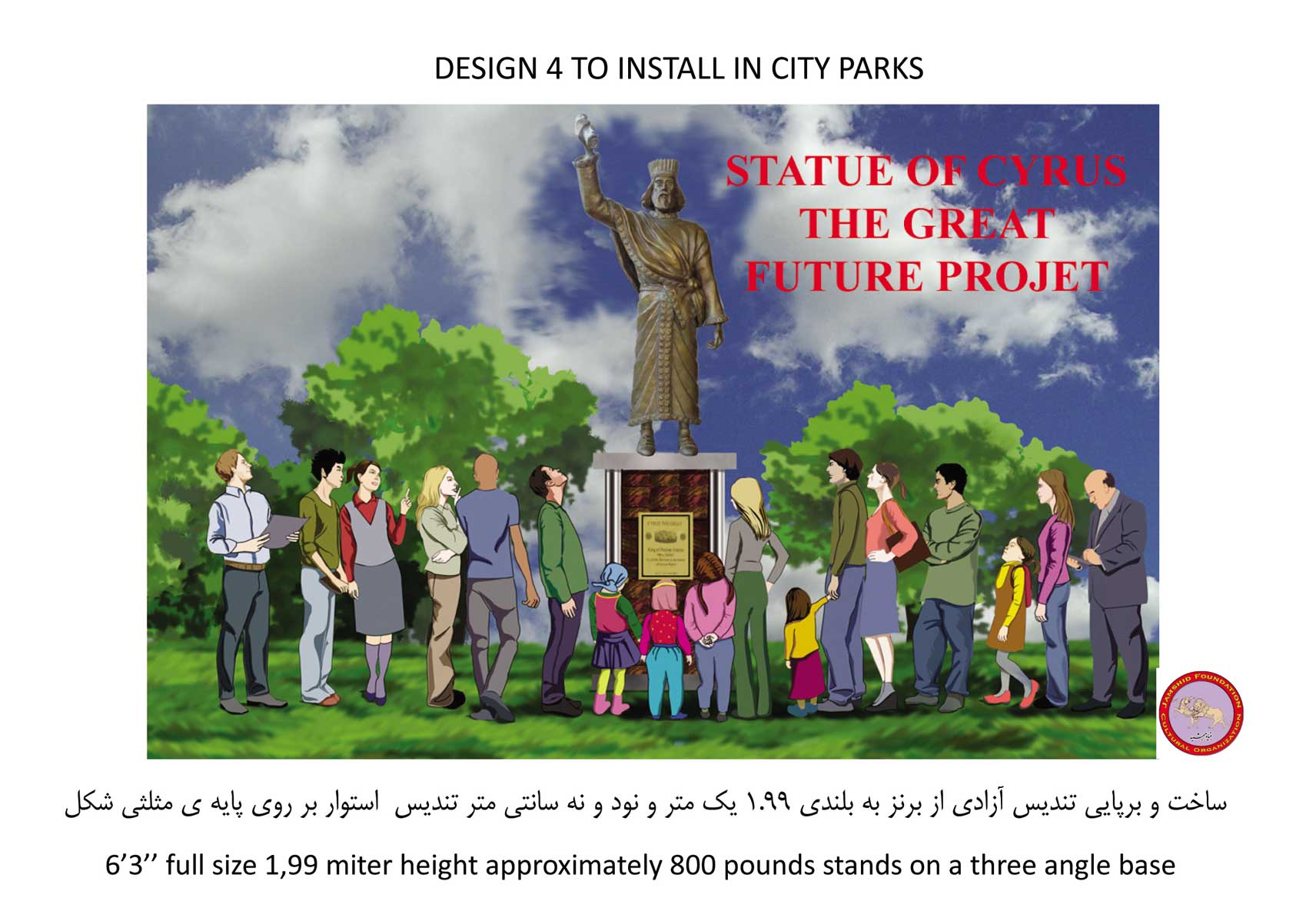
 Design 4
 Design 5
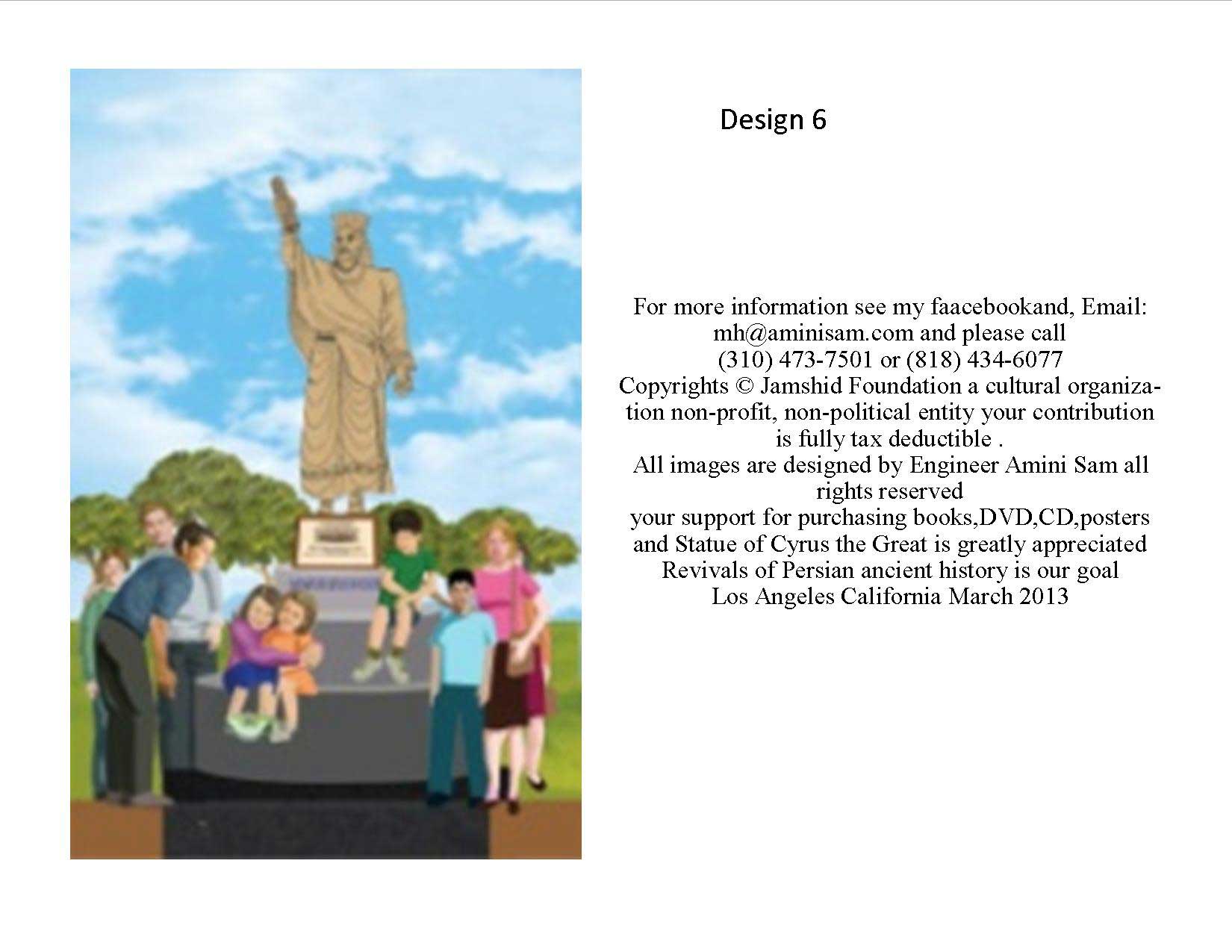 Design 6
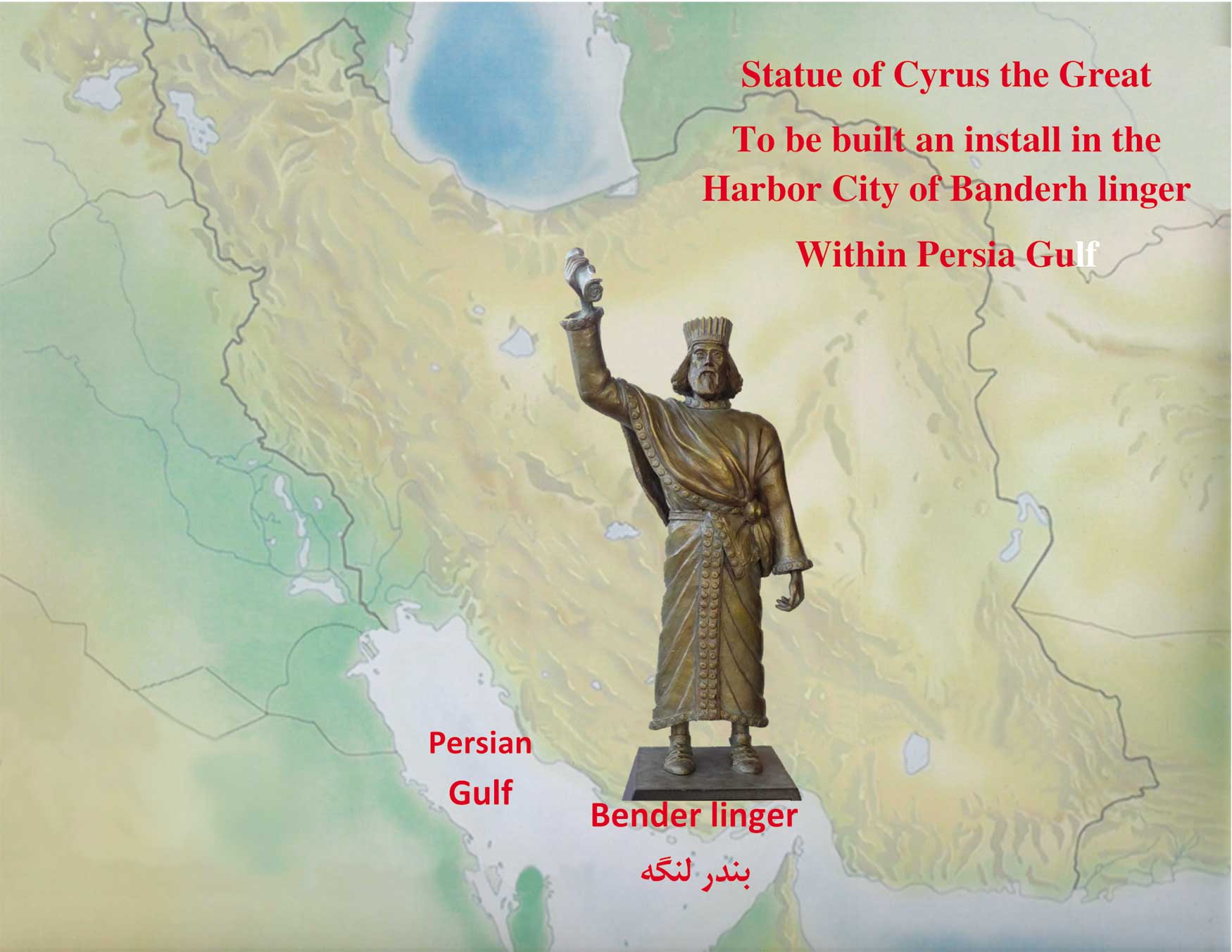 Design 7
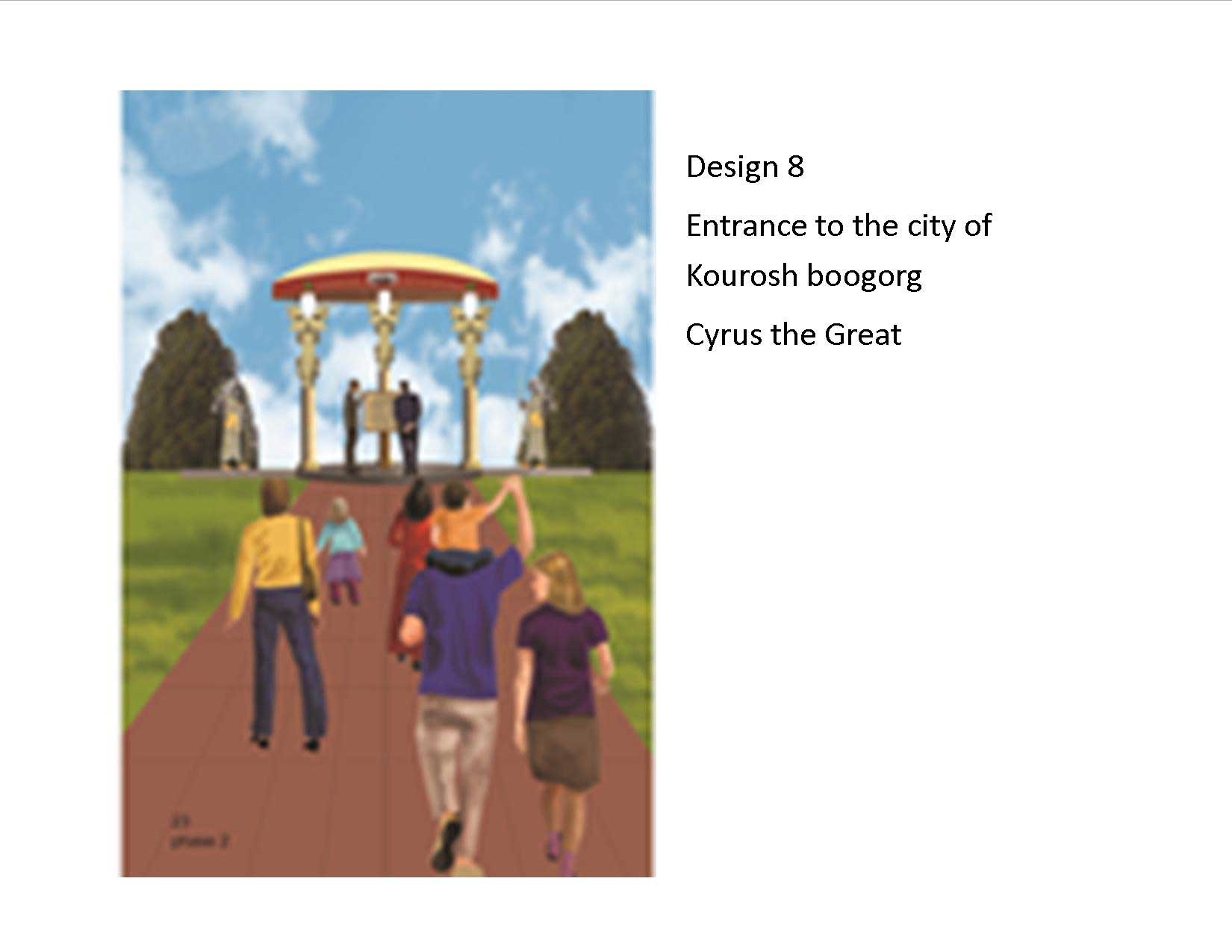 Design 8
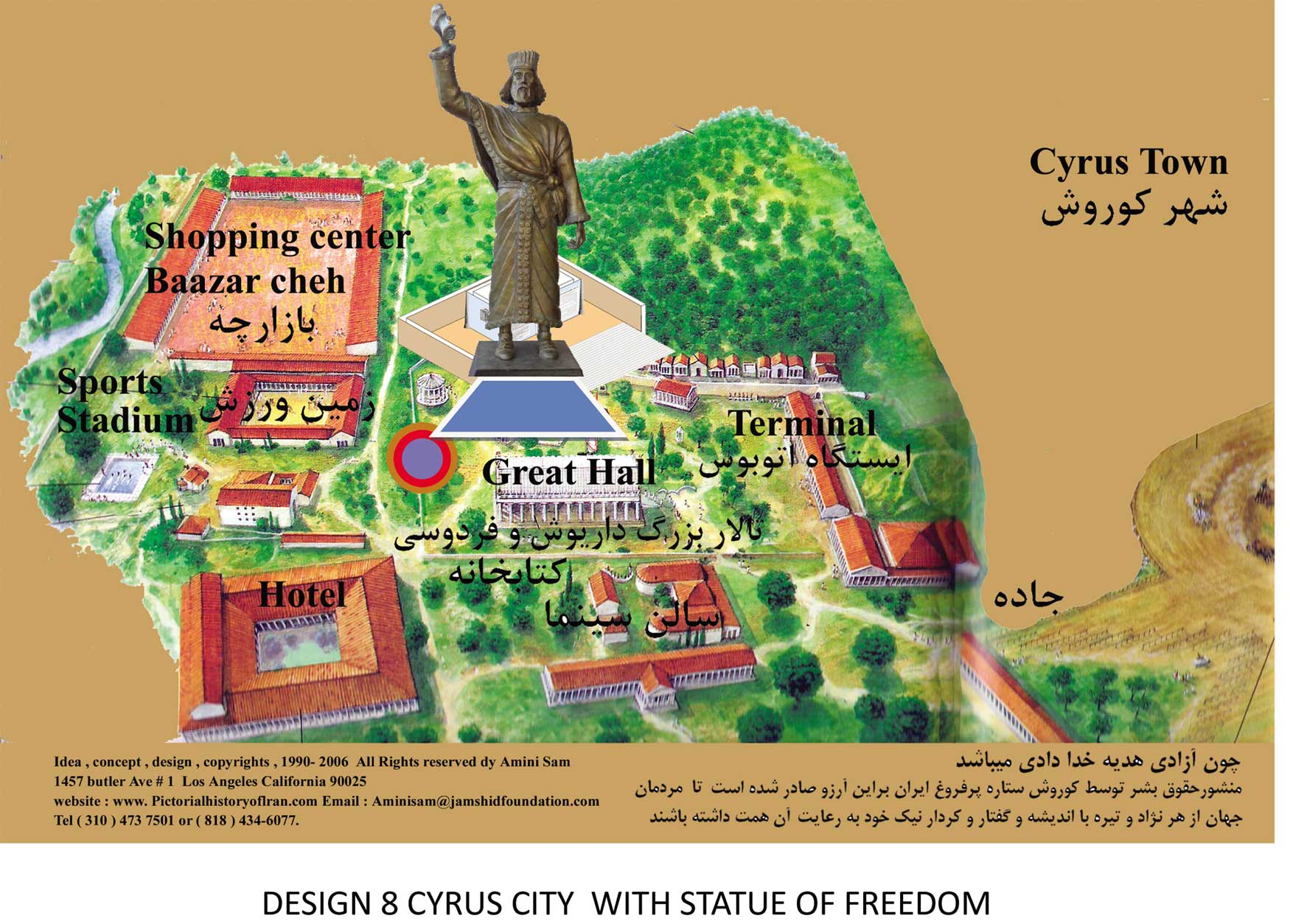 Design 8
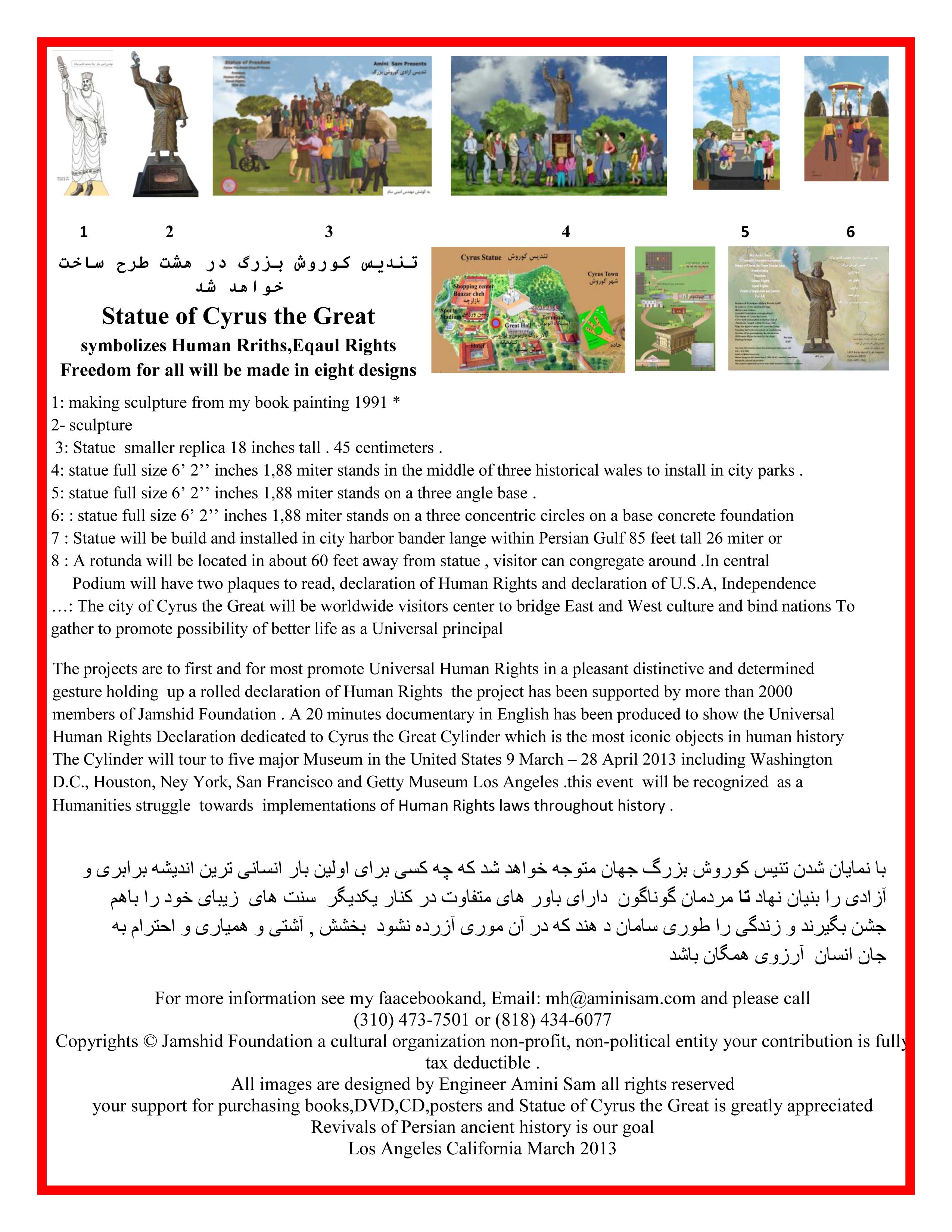 Designs 1–8
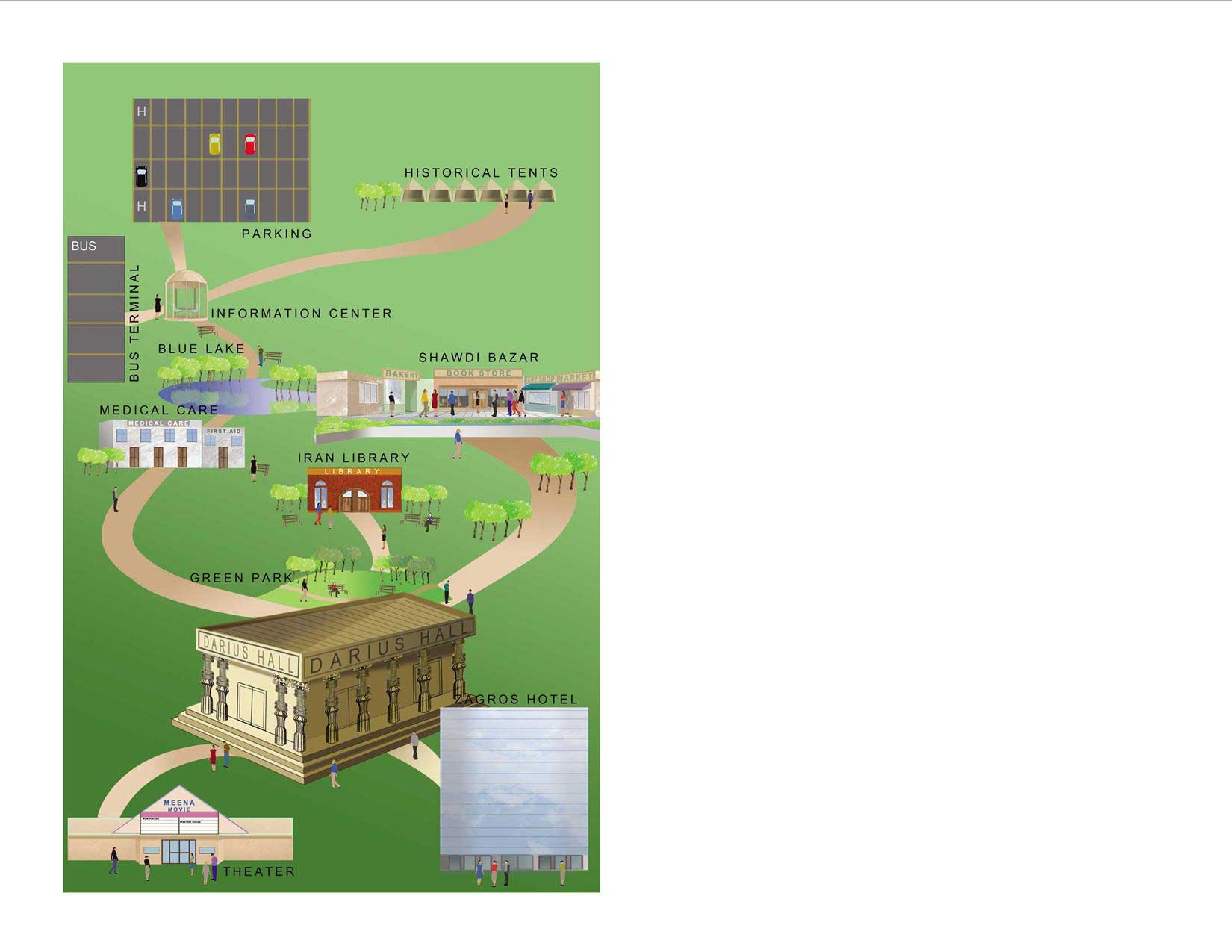 Darius & the City
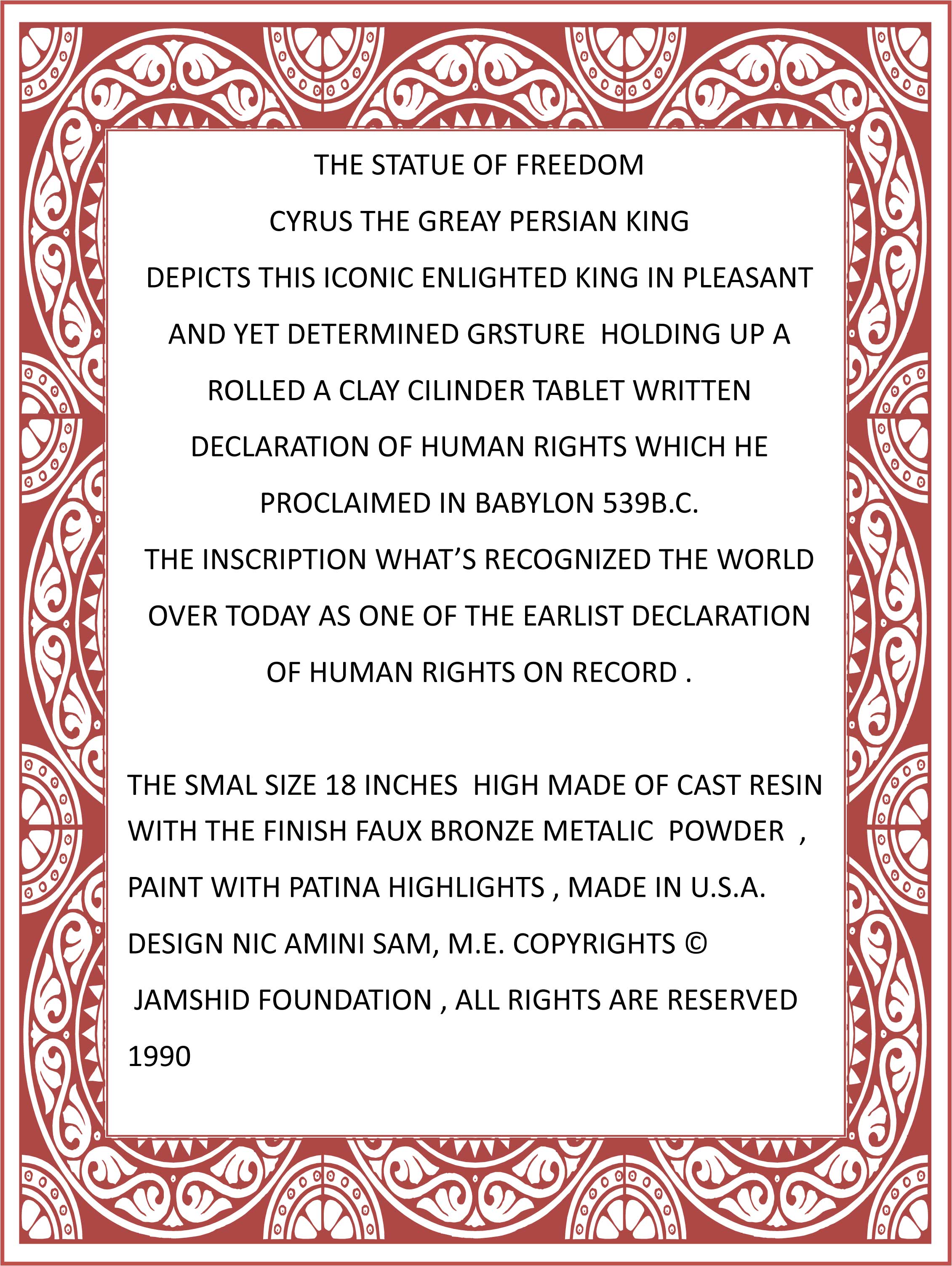 The Depiction
The Statue of Freedom of Cyrus the Great
The preliminary description, presentation, and architectural, engineering, and calculation specification of the statue of freedom of Cyrus the Great, King of the Persian Empire. It will be made in eight designs:
1. Sculpture.
2. 18 inches (45 centimeters) tall statue, resin mixed with metallic bronze powder.
3– 75 inches (1.99 m) tall statue, standing in the middle of three historical walls in state city parks.
4. 6’3″ full size, 1.99 m height, approximately 800 pounds, standing on a three-angle base.
5. 6’3″ full size, 1.99 m, standing on three concentric rings on a base of concrete foundation.
6. A rotunda will be located about 60 feet away from the Statue of Freedom, where visitors can congregate. Around it, a central podium will hold two plaques to read: the Declaration of Independence for America, and the first declaration of human rights by Cyrus the Great, the Persian King, in 539 B.C. in Babylon.
7. The Jamshid Foundation has conceptualized the design of a “Freedom Monument Statue” that commemorates the ancient Persian leader “Cyrus the Great,” King Kourosh, 601–530 (dates of birth and death), to be constructed and installed near the harbor city of Bandareh Lengeh within the Persian Gulf. The statue depicts this iconic, enlightened king in a stance memorializing the gesture of his holding up a rolled clay cylinder tablet, upon which he proclaimed in Babylon in 539 B.C. the inscription recognized the world over today as one of the earliest declarations of human rights on record.
8. The City of Cyrus the Great — for worldwide visitors, to bridge East and West cultures and bind nations to gather, to promote a better life as a universal principle.